Category

Pet Care Articles and Buying Guides

General pet-care articles for everyday owners, including health basics, home care, safety, training context, shopping considerations, and practical guidance that does not fit a narrower review or comparison category.

Best Hamster Cages for Syrian and Dwarf Hamsters: What to Look For Before You Buy

HAMSTER PRODUCT GUIDE

The best hamster cage is not just the biggest box on the shelf. A safe setup gives your hamster enough unbroken floor space, deep bedding for burrowing, good ventilation, secure hides, safe wheel placement, and room for enrichment without forcing everything into a cramped starter kit. For Syrian and dwarf hamsters, the right cage is the foundation for daily health, sleep, exercise, and stress control.
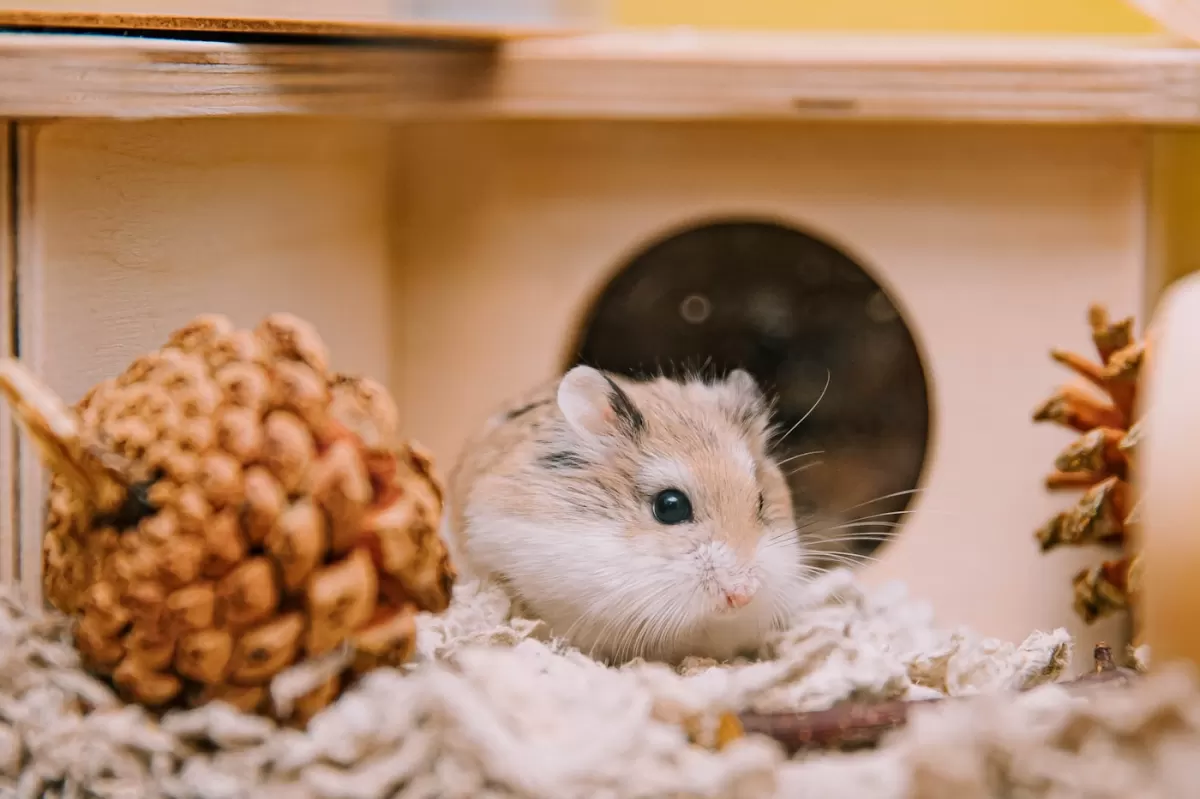
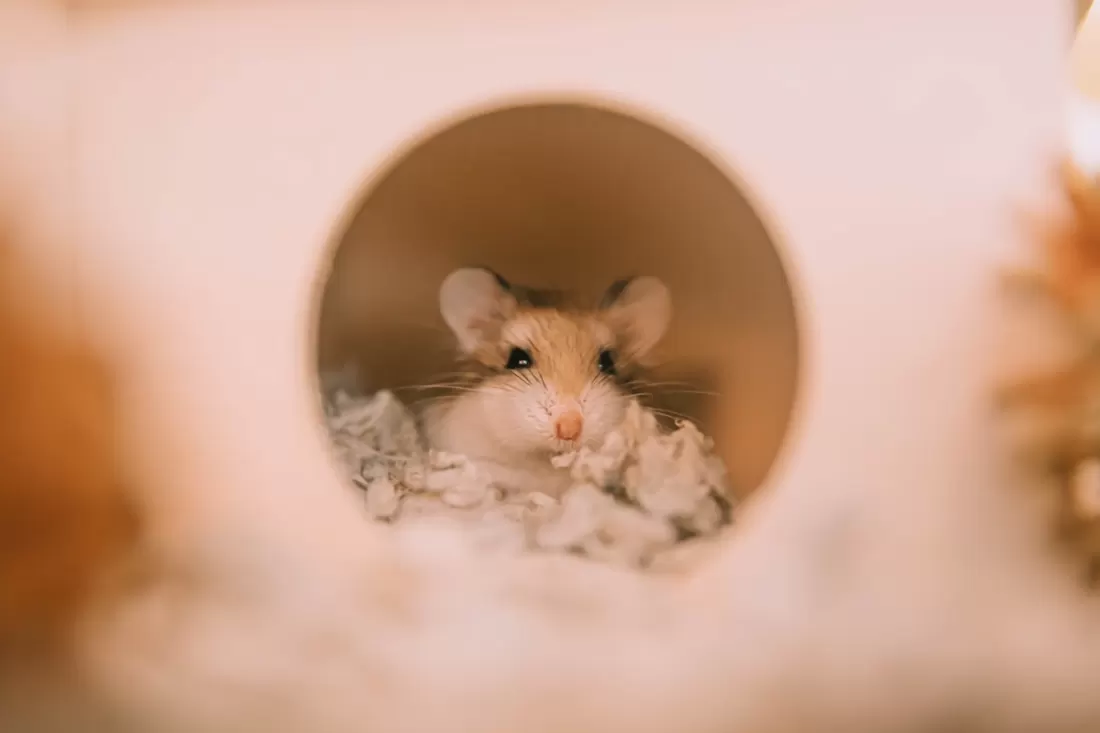
Single hamster in a wooden hideout with deep white bedding
A safe hamster cage should support deep bedding, solid hides, and natural enrichment without crowded wire flooring.

SavingCat quick picks:

  • Best overall: A large, well-ventilated enclosure with deep bedding space, a secure lid, and enough floor area for a wheel, hides, sand bath, and enrichment.
  • Best for Syrian hamsters: A wider enclosure that can fit a large upright wheel and multiple hides without crowding the bedding area.
  • Best for dwarf hamsters: A secure habitat with small gap spacing, easy wheel access, and enough bedding depth for tunneling.
  • Best budget option: A safe bin-style or tank-style setup with added ventilation, secure lid, and carefully chosen accessories.
  • Best easy-clean option: A front-opening or top-access enclosure that lets you spot-clean without destroying every tunnel at once.

Quick answer: Choose the largest practical hamster cage you can maintain safely, with deep bedding, a secure lid, solid flooring, safe ventilation, and enough usable floor space for a properly sized wheel and several hides. Avoid tiny starter cages, wire floors, cramped multi-level plastic tubes, and any setup that prevents burrowing.

In this guide: We cover cage size, bedding depth, ventilation, Syrian vs dwarf hamster needs, safe materials, cleaning access, enrichment, products to avoid, and a buying checklist you can use before purchasing.

Who this guide is for

This guide is for new hamster owners, parents buying a first habitat, and anyone replacing a small plastic starter cage. It applies to Syrian hamsters, dwarf hamsters, Roborovski hamsters, Campbell’s dwarfs, winter whites, and hybrid dwarf hamsters. If your hamster is chewing bars, pacing, sleeping in exposed corners, or cannot fit a safe wheel and bedding depth in the current setup, the cage may need an upgrade.

What matters most in a hamster cage

Start with usable floor space, not marketing claims. Hamsters need room to run, dig, hide, forage, and arrange their own sleeping area. A cage with tall plastic towers but little bedding depth is usually less useful than a simpler enclosure with a wide base. Look for solid flooring, deep bedding capacity, safe ventilation, and secure access.

Best overall: A wide enclosure with deep bedding space, strong ventilation, a secure lid, and enough open layout for a large wheel, sand bath, hides, chew items, and scatter feeding.

Best for Syrian hamsters: Prioritize width and accessory clearance. A Syrian needs room for a larger wheel, larger hides, and wider tunnels without shrinking the bedding zone.

Best for dwarf hamsters: Choose small gap spacing, easy-access hides, a wheel that spins freely, and bedding deep enough for tunneling without making the cage hard to supervise.

Best budget setup: A well-planned bin or tank-style habitat can work if it has safe ventilation, smooth edges, a secure lid, and enough space for essentials.

Hamster cage size and layout guide

NeedWhat to look forWatch out for
Floor spaceA wide, mostly unbroken base that can hold a wheel, hides, sand bath, and foraging areaTall cages with tiny usable floors
Bedding depthEnough height to hold deep, diggable bedding without spilling constantlyShallow trays that only allow a thin layer
VentilationMesh lid, side vents, or safe airflow without exposed sharp edgesSealed plastic boxes or poorly modified lids
SecurityA tight lid, escape-proof corners, and gaps small enough for the speciesLoose lids, tube holes, and bendable wire panels
Cleaning accessEasy spot-cleaning without removing every tunnel each dayDesigns that require full teardown for every small mess
Roborovski hamster peeking from a solid hideout with soft paper bedding
Solid hideouts and soft bedding help a hamster feel secure while still leaving room to burrow and explore.

Deep bedding is not optional decoration

Hamsters are burrowing animals. A cage that cannot hold enough bedding forces the hamster to live on top of the substrate instead of building sleeping tunnels. Paper-based bedding is often easier for tunnels, while safe wood shavings can work when they are low-dust and unscented. Avoid scented bedding, dusty materials, fluffy nesting cotton, and anything marketed for odor control that smells strongly of chemicals.

Syrian hamster cage needs

Syrian hamsters are larger, stronger, and often more demanding about space. They need a larger wheel, larger hides, a secure lid, and openings that do not let them squeeze out. If a cage looks full after adding only a wheel and one hide, it is probably too small for a Syrian long term.

Dwarf hamster cage needs

Dwarf hamsters are smaller, but they still need space and deep bedding. Their cage should have safe gap spacing, easy entry to hides, a stable wheel, and enrichment that does not force risky climbing. Roborovski hamsters are fast and can be nervous, so open floor space and plenty of cover are especially helpful.

Single hamster sitting on clean wood shaving bedding
Bedding choice matters: avoid dusty or scented materials and give enough depth for natural digging behavior.

Buying checklist before you choose a cage

  • Can the cage hold deep bedding without blocking the wheel?
  • Is the floor solid, not wire or mesh?
  • Can you fit a properly sized wheel for your hamster species?
  • Are there at least two or three safe hide areas?
  • Does the lid or door close securely enough to prevent escapes?
  • Are ventilation openings safe, smooth, and small enough?
  • Can you spot-clean without destroying all bedding every day?
  • Is there space for enrichment, scatter feeding, and a sand bath?

Products and cage features to avoid

Avoid: tiny starter cages, wire floors, mesh running surfaces, cramped tube systems, cages that cannot hold deep bedding, poor ventilation, loose lids, scented bedding bundles, and any setup that encourages two adult hamsters to share the same small space. Most pet hamsters should be housed alone unless a qualified rescue or species expert gives case-specific guidance.
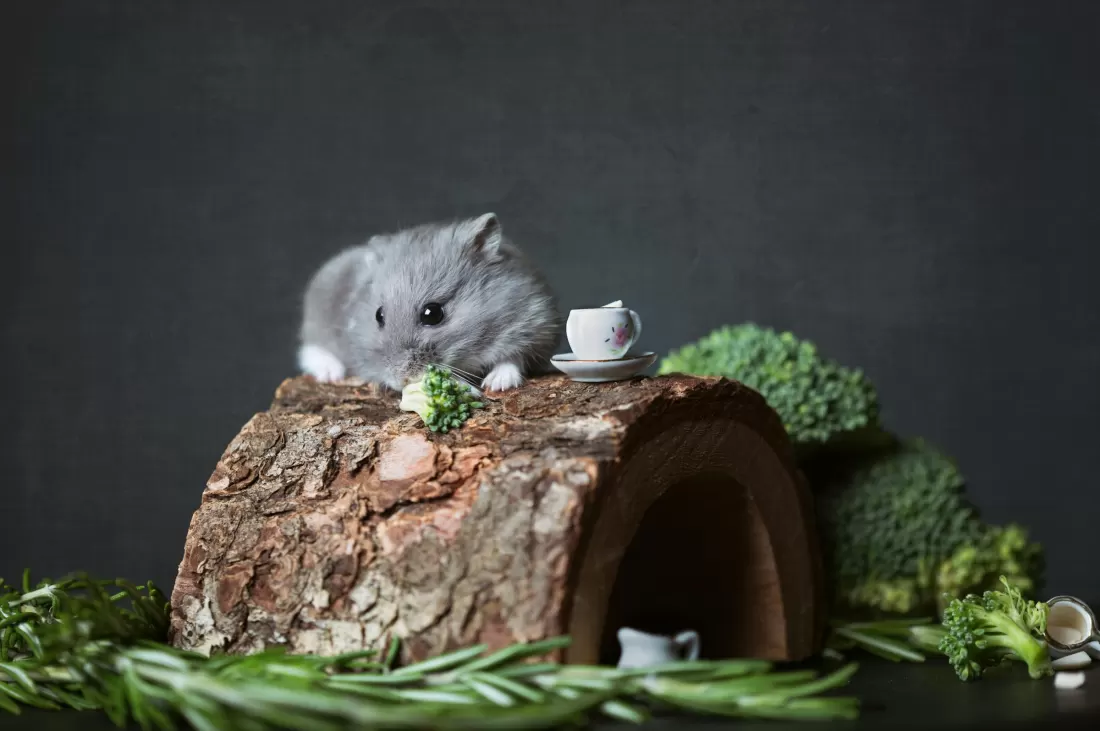
Dwarf hamster on a natural wood bridge with safe enrichment items
Natural wood hides, bridges, chew items, and scatter feeding areas can make a cage more useful than a bare plastic starter kit.

Common mistakes

  • Buying the cage before checking wheel size and bedding depth.
  • Choosing a colorful plastic kit because it looks fun, even though the usable floor space is tiny.
  • Replacing all bedding too often and destroying familiar scent paths.
  • Using scented bedding to hide odor instead of improving cleaning routine and ventilation.
  • Assuming dwarf hamsters need very little space because they are small.

FAQ

Can a hamster live in a small starter cage?

A starter cage may work only as a short temporary setup. For daily life, most hamsters need more usable floor space, deeper bedding, and safer enrichment than many starter kits provide.

Is a glass tank good for a hamster?

A glass tank can work if it is large enough, has a secure ventilated lid, and is arranged with deep bedding and enrichment. The main concerns are airflow, weight, and cleaning access.

Do Syrian hamsters need bigger cages than dwarf hamsters?

Usually yes. Syrian hamsters are larger and need bigger wheels, hides, and openings. Dwarf hamsters are smaller, but they still need meaningful floor space and bedding depth.

Can two hamsters share one cage?

For most pet owners, no. Many hamster species are solitary as adults, and co-housing can lead to stress, injury, or sudden fighting.

How often should I clean a hamster cage?

Spot-clean wet or dirty areas regularly, but avoid full bedding replacement too often. Keeping some clean old bedding helps preserve familiar scent and reduces stress.

SavingCat note: This guide is educational and does not replace veterinary advice. Product availability, sizes, and materials change often, so always check the current product details and your hamster’s behavior before deciding whether a cage is suitable.

Related guide: Pair your cage choice with a safe wheel setup: Best Hamster Wheels for Syrian and Dwarf Hamsters.


Best Puzzle Toys for Dogs Home Alone: How to Choose Safe Enrichment

DOG PRODUCT GUIDE

Puzzle toys can make alone time easier for some dogs by turning food and treats into calm mental work. The best choice is not the hardest toy. It is the safest toy your dog can use without frustration or risk.

Dog standing with two owners at home for a guide to choosing puzzle toys for home-alone dogs
Puzzle toys work best when they are introduced while you are home, then used as part of a calm departure routine.

Quick answer
The best puzzle toy for a dog home alone is a durable, easy-to-clean, size-appropriate toy that your dog can solve calmly. Start simple, supervise the first few uses, and avoid toys with small parts if your dog chews aggressively.

In this guide
You will learn which puzzle toys fit different dogs, what safety features matter, how to introduce enrichment before alone time, and which related products are worth considering.

Why puzzle toys help some dogs stay calmer

Many dogs do better when alone time starts with a predictable activity. A puzzle toy gives your dog something specific to do: sniff, lick, nudge, roll, or search. That kind of food enrichment can help reduce boredom and make the first few minutes after you leave feel less abrupt.

However, puzzle toys are not a cure for separation anxiety. If your dog panics, destroys doors, drools heavily, or tries to escape, treat that as a training and welfare issue. In those cases, use puzzle toys only as part of a broader plan with gradual alone-time training and professional guidance when needed.

Happy dog looking engaged, used for a dog enrichment and puzzle toy guide
The right enrichment should make your dog focused and relaxed, not frantic or frustrated.

How to choose the right puzzle toy

  1. Start with your dog’s chewing style. Heavy chewers need tougher materials and simpler shapes. Gentle dogs may do well with treat mats or sliding puzzles.
  2. Match the difficulty level. A toy that is too hard can increase stress. Start easy, then increase difficulty as your dog learns.
  3. Check the size. The toy should be too large to swallow and stable enough that your dog can use it safely.
  4. Choose easy cleaning. Food toys should be washable because residue can build up quickly.
  5. Supervise first. Watch several sessions before leaving the toy with your dog alone.

Best puzzle toy styles for home-alone dogs

Keep it calm, not chaotic.
For alone time, choose toys that encourage slow licking, sniffing, or gentle problem-solving. Avoid toys that make your dog race around the house if that leads to overexcitement.

  1. Treat-dispensing ball: Good for dogs that enjoy rolling and nudging, but best on safe flooring.
  2. Lick mat: Helpful for calmer licking sessions with soft food or spreadable treats.
  3. Snuffle mat: Great for scent work, but not ideal for dogs that shred fabric.
  4. Sliding puzzle board: Best for supervised training sessions before using alone-time toys.
  5. Stuffable rubber toy: A strong option for many dogs when matched to chewing strength.
Active dog outdoors, used for a guide about exercise and puzzle toys before alone time
Puzzle toys work better after your dog has already had movement, bathroom time, and a chance to settle.

Safety mistakes to avoid

Do not leave an untested toy with your dog.
A puzzle toy that looks safe online may not be safe for your dog’s mouth, chewing strength, or frustration level. Always test it while you are home first.

Avoid toys with loose caps, small removable pieces, weak seams, or narrow openings that trap the tongue. If your dog guards food, swallows pieces, or becomes frantic around treats, ask a trainer or veterinarian before using food puzzles during alone time.

Helpful products to consider

The most useful setup depends on your dog. A stuffable rubber toy can slow eating. A lick mat supports calm licking. A snuffle mat adds scent work. A pet camera helps you see whether your dog actually settles.

Stuffable rubber toyA durable choice for many dogs when matched to chewing strength.

Lick matEncourages slower licking and can support a calmer departure routine.

Snuffle matAdds scent-based enrichment for dogs that enjoy searching for food.

Pet cameraShows whether your dog relaxes, paces, barks, or ignores the toy.

Bottom line

Bottom line
The best puzzle toy for home-alone dogs is safe, simple, washable, and tested under supervision. Use it to support a calm routine, not to hide a serious anxiety problem. Start easy, watch how your dog responds, and choose enrichment that leaves your dog more relaxed after using it.

Affiliate disclosure: SavingCat may earn a commission when readers buy through certain links. Our guides are written to help pet owners make practical, informed decisions.

Why Is My Cat Always Hungry? 9 Common Reasons and What to Do Next

CAT HEALTH AND FEEDING

If your cat acts hungry all the time, the answer is not always feed more. Appetite can be shaped by routine, food quality, boredom, stress, growth, or medical issues. This guide helps you sort everyday begging from warning signs that deserve a vet check.

Cat indoors, used for a cat feeding and appetite guide
A hungry cat may need a better routine, a better diet, more enrichment, or a vet check.

Quick answer
Many cats beg for food because meals are inconsistent, portions are too small, the food is not satisfying, or the cat is bored. But a sudden increase in appetite, especially with weight loss, vomiting, diarrhea, excessive thirst, or behavior changes, should be checked by a veterinarian.

In this guide
You will separate true hunger from attention-seeking, review the most common causes, learn the red flags, and follow a simple 7-day reset plan for feeding routines.

First, ask: is your cat truly hungry or asking for attention?

Cats are excellent pattern readers. If every meow near the kitchen leads to a treat, your cat may learn that acting hungry works. That does not mean your cat is being difficult. It means the reward system is predictable.

Before changing food, track your cat’s meals for seven days. Write down the time, portion size, treat count, playtime, and any symptoms. A simple log often reveals whether the issue is appetite, routine, boredom, or a health change.

Cat near a food bowl, representing feeding routines and appetite checks
Use this quick check before changing portions or switching foods.

9 common reasons your cat always seems hungry

  1. The meal schedule is too unpredictable. Some cats feel more secure when meals happen at consistent times. If breakfast moves from 6 AM to 10 AM depending on the day, your cat may ask early because the next meal feels uncertain.
  2. Portions do not match your cat’s life stage. Kittens, active young cats, pregnant or nursing cats, and some outdoor cats need more calories than a calm indoor adult cat.
  3. The food is not satisfying enough. A food that is lower in protein, too calorie-light, or not portioned correctly may leave your cat searching for more.
  4. Too many treats confuse the routine. Treats are useful, but if they appear whenever your cat asks, begging becomes part of the daily pattern.
  5. Boredom is being mistaken for hunger. Indoor cats need hunting-style enrichment: chasing, climbing, scratching, window watching, and puzzle feeding.
  6. Stress has changed your cat’s behavior. Moving, new pets, new people, loud construction, or litter box changes can shift eating behavior.
  7. Your cat is eating too fast. A cat that finishes meals in seconds may still act hungry because the eating experience ends too quickly.
  8. Another pet may be stealing food. Separate feeding stations, microchip feeders, or supervised mealtimes can solve the problem without increasing total calories.
  9. A medical issue may be increasing appetite. Diabetes, hyperthyroidism, intestinal parasites, and digestive problems can make cats feel unusually hungry.

Red flags: when to call your veterinarian

Call your vet if appetite changes come with symptoms.
Do not try to solve sudden intense hunger only with a new food or bigger portions. A veterinary exam can rule out health problems and help you choose the right feeding plan.

  • Your cat is eating more but losing weight.
  • Your cat is drinking or urinating more than usual.
  • There is vomiting, diarrhea, or a dull coat.
  • Your cat is suddenly restless, vocal, or unusually tired.
  • The appetite change appeared quickly and does not improve.
Cat resting at home, representing calm routines and pet care
A steady rhythm can reduce begging and help you spot true appetite changes faster.

A simple 7-day plan to reduce constant begging

  1. Days 1-2: measure meals and treats. Do not guess portions. Use the feeding guide on the food label as a starting point, then adjust with your vet’s advice.
  2. Days 3-4: add play before meals. Two short hunting-style play sessions can make mealtime feel more natural and reduce boredom begging.
  3. Days 5-7: slow one meal down. Use a puzzle feeder, lick mat, or slow feeder for one meal per day. Compare begging behavior with your notes.

Helpful feeding tools to consider

You do not need to buy everything at once. Start with the problem you are trying to solve. A slow feeder helps fast eaters. A puzzle feeder helps bored cats. A timed feeder helps inconsistent schedules. A kitchen scale helps owners measure food more accurately.

Timed feederCreates a predictable routine and can reduce begging before meals.

Slow feeder or lick matExtends mealtime for cats that eat too fast.

Puzzle feederAdds hunting-style mental enrichment for bored indoor cats.

Kitchen scaleMakes daily portions measurable instead of guessed.

Bottom line

Bottom line
A cat that always seems hungry may simply need a clearer routine, more satisfying meals, and better daily enrichment. But if the hunger is sudden, intense, or paired with weight loss or excessive thirst, treat it as a health signal and call your veterinarian.

Affiliate disclosure: SavingCat may earn a commission when readers buy through certain links. Our guides are written to help pet owners make practical, informed decisions.

Best Dog Beds for Dogs That Stay Home Alone: What to Look For Before You Buy

DOG PRODUCT GUIDE

A good dog bed is not just a soft place to sleep. For dogs that spend part of the day at home alone, the right bed can support calm routines, safer resting, joint comfort, and a more predictable place to settle.

Dog owner relaxing at home with a dog, used for a guide to choosing dog beds for home-alone dogs
A calmer home-alone routine starts with a familiar place to rest and a bed your dog actually wants to use.

Quick answer
The best dog bed for a dog that stays home alone is usually a supportive, washable, non-slip bed placed in a quiet area your dog already likes. Choose the shape and firmness based on your dog’s size, sleep style, age, and anxiety level.

In this guide
You will learn which bed features matter most, which dogs need orthopedic support, what to avoid, and which companion products can make alone time calmer and easier to manage.

Why the bed matters when your dog is home alone

Dogs that stay home alone need a place that feels consistent. A bed can become a settling cue: the same location, same scent, same texture, and same routine every time you leave. That predictability can help some dogs relax instead of pacing from room to room.

The bed will not fix separation anxiety by itself, but it can support a better plan. Pair it with exercise, a calm departure, water access, and safe enrichment. If your dog destroys bedding, chews fabric, or panics while alone, choose durability first and speak with a trainer or veterinarian when needed.

Person caring for a dog at home as part of a calm daily routine
A predictable routine makes the bed easier for your dog to understand as a calm resting spot.

Key features to look for in a dog bed

  1. Supportive filling. Adult and senior dogs often benefit from foam that keeps joints off the floor. Very thin cushion beds may flatten quickly.
  2. Washable cover. A removable cover is easier to clean after drool, accidents, shedding, or muddy paws.
  3. Non-slip base. A bed that slides across tile or wood floors can make some dogs avoid it, especially seniors.
  4. Right size. Your dog should be able to stretch, turn, and curl without hanging off the edges.
  5. Safe materials. Avoid loose stuffing, weak seams, or decorative parts if your dog chews when bored or anxious.

Which bed style fits your dog?

Match the bed to the dog, not just the room.
A bed can look beautiful in your home but still fail if it does not match how your dog actually sleeps. Watch your dog for a few days before buying.

  1. Flat mattress bed: Best for dogs that stretch out or move between positions.
  2. Bolster bed: Good for dogs that like resting their head on a raised edge.
  3. Orthopedic bed: Useful for senior dogs, large breeds, or dogs with stiffness.
  4. Donut bed: Cozy for curl-up sleepers, but not ideal for every large or hot-running dog.
  5. Crate mat: Helpful if your dog already uses a crate calmly and safely.
Person walking a dog outdoors before the dog rests at home
A walk before alone time can make a resting spot more effective because your dog has already released energy.

Red flags: when a bed is not enough

Do not rely on a bed to solve serious anxiety.
If your dog howls for long periods, damages doors, chews bedding, soils indoors, drools heavily, or tries to escape, treat it as a welfare and training issue, not a shopping problem.

In those cases, a camera, shorter absences, gradual training, a dog walker, or professional support may matter more than the bed itself. The bed should support the routine, not replace the routine.

Helpful products to consider

Start with the product that solves the clearest problem. A washable dog bed helps with cleaning. An orthopedic bed helps with support. A pet camera shows whether your dog settles. A puzzle toy can make departure calmer.

Washable dog bedBest first choice for everyday comfort, shedding, and easy cleaning.

Orthopedic dog bedHelpful for senior dogs, large breeds, and dogs with joint stiffness.

Pet cameraShows whether your dog actually rests or stays stressed after you leave.

Puzzle toyAdds calm mental work before your dog settles on the bed.

Bottom line

Bottom line
The best dog bed for home-alone time is not simply the fluffiest one. Look for support, washable materials, safe construction, and a consistent location. Then pair the bed with exercise, enrichment, and a calm routine your dog can understand.

Affiliate disclosure: SavingCat may earn a commission when readers buy through certain links. Our guides are written to help pet owners make practical, informed decisions.

How Long Can Dogs Be Left Alone? A Practical Guide by Age and Routine

DOG CARE AND DAILY ROUTINES

Leaving a dog home alone is normal for many families, but the right amount of time depends on age, health, training, exercise, and temperament. This guide gives practical time ranges and a safer routine you can adjust for your dog.

Person sitting at home with a dog, used for a guide about how long dogs can be left alone
A good alone-time plan starts before you leave: exercise, a calm routine, water, and a safe space.

Quick answer
Many adult dogs can handle about 4 to 6 hours alone once trained, but puppies, seniors, anxious dogs, and dogs with medical needs often need much shorter periods. If your dog panics, destroys things, soils indoors, or barks for long periods, treat it as a training or welfare issue rather than “bad behavior.”

In this guide
You will find age-based time ranges, signs your dog is not coping, a better leaving routine, and simple products that can make alone time safer and calmer.

How long can dogs be left alone by age?

There is no single perfect number for every dog. A calm adult dog with good house training may manage a workday split by a midday walk, while a young puppy may need a potty break every couple of hours. Use these ranges as a starting point, not a rule that overrides your dog’s behavior.

Dog age or situationTypical alone-time rangeWhat matters most
Young puppy1 to 2 hoursPotty breaks, crate comfort, short practice sessions
Older puppy2 to 4 hoursGradual training, safe chew options, routine
Healthy adult dog4 to 6 hoursExercise, bathroom access, temperament
Senior dog2 to 5 hoursMobility, medication, bladder control, anxiety
Dog with separation anxietyVaries widelyTraining plan, professional guidance, slow exposure

Signs your dog is not coping well alone

Watch for stress signals
Repeated barking, escape attempts, indoor accidents, shaking, heavy drooling, or refusing food can mean your dog is not simply “misbehaving” — your dog may be struggling with being alone.

  • Long periods of barking, whining, or howling after you leave.
  • Scratching doors, chewing frames, or trying to escape.
  • Indoor accidents when the dog is normally house trained.
  • Heavy drooling, pacing, shaking, or refusing food when alone.
  • Extreme excitement or distress when you return.

If these signs appear often, reducing the alone time is only part of the fix. Your dog may need gradual desensitization, a calmer departure routine, more exercise, a different safe space, or help from a veterinarian or certified trainer.

Dog owner spending calm time with a dog at home before leaving
A predictable routine helps many dogs understand that leaving and returning are normal parts of the day.

A better routine before leaving your dog alone

  • Start with movement, not excitement.
    A walk, sniffing session, or short play period can help your dog settle without turning departure into a high-energy event.
  • Give a safe, boring space.
    Most dogs do better in a familiar area with water, a comfortable bed, and limited access to hazards.
  • Use food enrichment carefully.
    A stuffed toy, lick mat, or puzzle feeder can make departures feel more positive, as long as it is safe for your dog’s chewing style.
Person walking a dog outdoors as part of a daily routine
A walk or sniff session before alone time can reduce restlessness and make settling easier.

What if you work outside the home all day?

If your schedule keeps you away longer than your dog can comfortably manage, build support into the day. A midday dog walker, trusted neighbor, dog daycare, or flexible work break can prevent stress and bathroom problems.

For dogs with separation anxiety, avoid jumping straight to long absences. Practice short departures, keep returns calm, and track what your dog does while you are gone. A simple camera can help you see whether your dog relaxes after a few minutes or stays distressed for the entire absence.

Helpful products to consider

Pet cameraShows whether your dog settles or stays stressed while you are away.

Puzzle toy or slow feederAdds calm mental work before or during departure.

Comfortable dog bedCreates a predictable resting spot for adult and senior dogs.

Dog gate or penLimits access to unsafe areas without full isolation.

Bottom line

Bottom line
Most adult dogs can learn to spend part of the day alone, but the right limit depends on the individual dog. Start with shorter absences, build a predictable routine, watch for distress signs, and use support when your schedule is longer than your dog can handle comfortably.

Affiliate disclosure: SavingCat may earn a commission when you buy through links on our site. Our recommendations are based on practical pet-owner needs, not commission rates.

Best Aquarium Filters for Small Fish Tanks: What to Look For Before You Buy

AQUARIUM PRODUCT GUIDE

A good aquarium filter does more than move water. For a small fish tank, the right filter helps keep water clearer, supports beneficial bacteria, and makes weekly maintenance easier. The best choice is usually a quiet, adjustable filter that matches your tank size and fish load, not simply the strongest filter on the shelf.

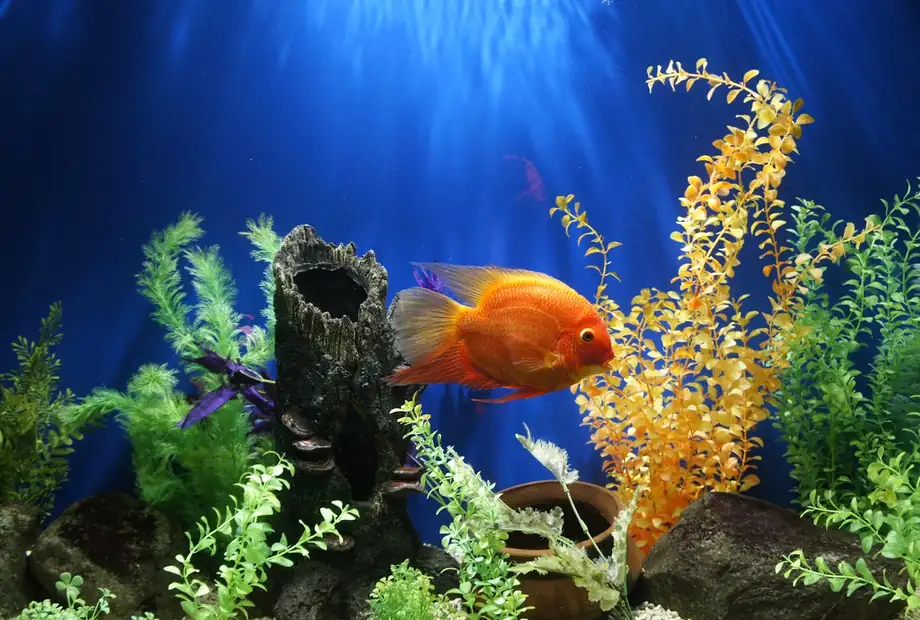
A clean home aquarium with colorful fish and decorations
A clear, stable aquarium usually starts with steady filtration, regular water changes, and realistic stocking.

Quick answer: For most small tanks, choose a filter rated slightly above your tank volume, with adjustable flow, easy-to-rinse media, and space for biological filtration. A gentle sponge filter or a small hang-on-back filter is often better than an oversized unit that pushes fish around.

In this guide: what filter size means, which filter styles work best for small aquariums, what to avoid, and which product types are useful before you buy.

Why filtration matters more in small tanks

Small aquariums can look simple, but they are less forgiving than large tanks. A little extra food, one dead plant leaf, or a delayed water change can affect water quality quickly. A filter gives the tank steady circulation and a home for beneficial bacteria, but it cannot replace good habits.

For small fish tanks, the goal is not maximum power. The goal is stable water movement without stressing fish. Bettas, fancy goldfish, shrimp, and small schooling fish may all need different flow levels, even in tanks of similar size.

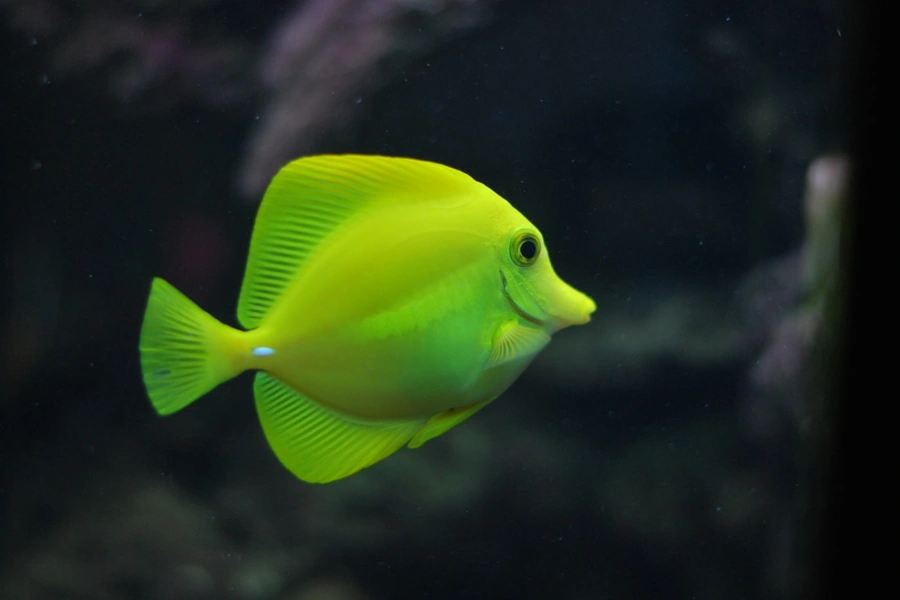
A yellow tang swimming in clear aquarium water
Clear water is helpful, but filter choice should also support oxygen, bacteria, and a fish-safe current.

What to look for in a small-tank aquarium filter

1. Match the filter to real tank volumeA filter rated for 5 to 10 gallons may work for a lightly stocked tank, but messy fish or heavy feeding may need more media capacity.

2. Choose adjustable flow when possibleSmall fish can get tired in strong current. Adjustable flow makes one filter more flexible as your setup changes.

3. Prioritize biological media spaceSponges, ceramic rings, and porous media support bacteria that help process waste. Do not throw all media away at once.

4. Check cleaning accessIf the filter is annoying to open or messy to rinse, maintenance is more likely to be delayed.

Common filter styles for small aquariums

Different filters solve different problems. A sponge filter is gentle, inexpensive, and shrimp-safe, but it needs an air pump. A hang-on-back filter is easy to use and keeps equipment outside the tank, but the flow may need baffling for bettas. A small internal filter saves space outside the aquarium, though it takes up room inside the tank.

A goldfish in clear water for aquarium care guidance
Fish with heavier waste loads may need more filtration and more consistent water changes.

Filter mistake to avoid: Do not replace all filter media at the same time unless there is a safety reason. That can remove too much beneficial bacteria and cause water-quality problems. Rinse reusable media gently in old tank water during maintenance.

Helpful products to consider

Before buying, think about the full setup: the filter body, replacement media, a water conditioner, and a basic water test kit. These small items often matter more than choosing the most expensive filter. For many beginners, the best setup is a quiet filter plus a water test kit, a simple gravel vacuum, and a maintenance routine they can actually follow.

Sponge filterBest for shrimp, fry, bettas, and gentle low-flow tanks.

Hang-on-back filterA practical choice for many small community tanks when flow is adjustable.

Water test kitHelps track ammonia, nitrite, nitrate, and pH before problems become visible.

Gravel vacuumMakes water changes easier and removes waste from the substrate.

Bottom line

The best aquarium filter for a small fish tank is not always the biggest one. Look for gentle adjustable flow, enough biological media, easy cleaning, and a size that matches your fish and maintenance routine. Good filtration works best when paired with regular water changes and careful feeding.

Affiliate disclosure: SavingCat may earn a commission if you buy through links on this page, at no extra cost to you. We focus on practical pet and aquarium products that fit real home routines.