
Best Guinea Pig Cages: What to Look For Before You Buy

Daniel Clark
I’m Daniel Clark, a pet care editor specializing in evidence-based pet health, behavior, and care guidance.
Disclosure: SavingCat is reader-supported. We may earn a commission when you buy through our links, at no extra cost to you.
SMALL PET PRODUCT GUIDE
Choosing a guinea pig cage is not just about finding a box that fits in the corner. Guinea pigs need room to run, a solid floor, safe bedding, constant hay access, and space for at least one hideout per pig. A cage that looks big in a product photo can still be too cramped once you add bowls, tunnels, fleece liners, and hay racks.
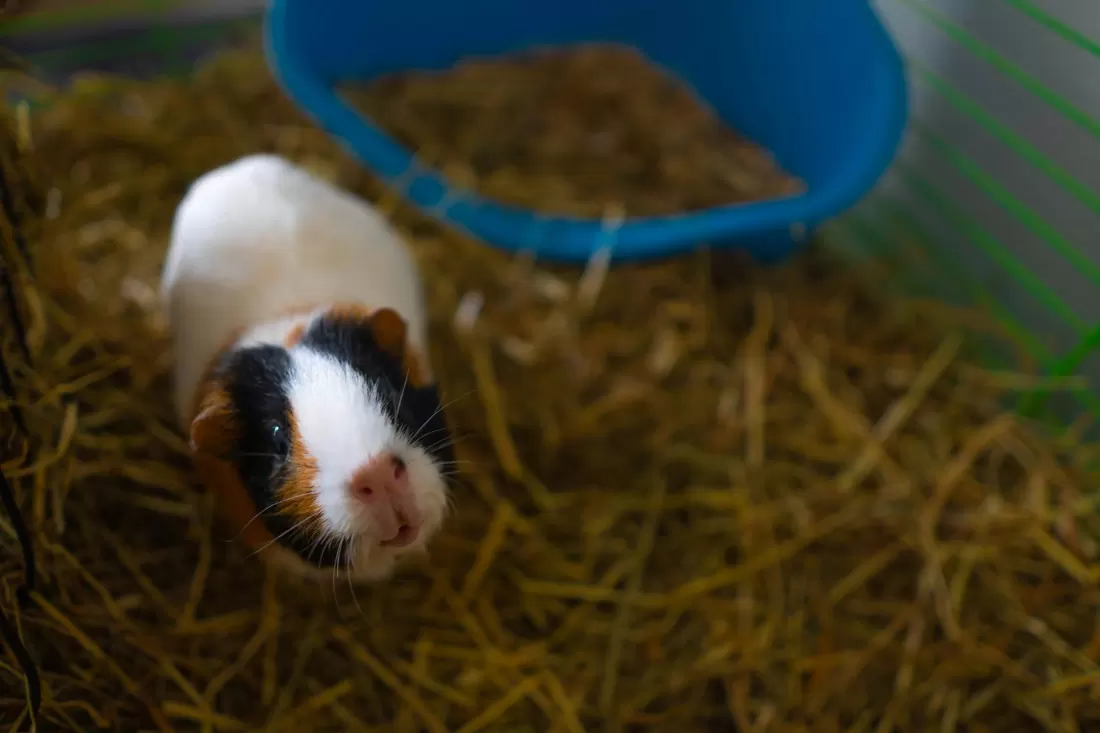
SavingCat quick picks:
- Best overall: A large C&C-style cage or modular grid enclosure with a solid coroplast base.
- Best for two guinea pigs: A cage with at least 7.5 square feet of open floor space, with 10.5+ square feet preferred.
- Best easy-clean option: A wide-opening enclosure with removable fleece liners or a deep, smooth plastic base.
- Best budget choice: A DIY grid setup with safe connectors, smooth edges, and a leak-resistant base.
- Avoid: Small pet-store cages with wire floors, narrow running areas, or tiny door openings.
Quick answer: For most pet guinea pigs, the best cage is a large, single-level enclosure with a solid floor, generous horizontal space, good airflow, and easy cleaning access. Choose floor area before choosing looks; guinea pigs are runners, not climbers.
In this guide: cage size, C&C cages, Midwest-style cages, floors and bedding, cleaning access, ventilation, multi-pig layouts, what to avoid, and a buying checklist.
Who this guide is for
This guide is for new guinea pig owners, parents buying a first cage, apartment pet owners, and anyone upgrading from a small starter cage. It is especially useful if you are choosing between C&C cages, modular playpen-style enclosures, plastic-base cages, or DIY setups.
The most important choice: usable floor space
Guinea pigs spend most of their time on the ground. They do not use vertical space like cats, rats, or climbing reptiles. That means a taller cage is not automatically better. The key measurement is open, flat floor space where the guinea pig can walk, turn, forage, and do short bursts of running.
For one or two guinea pigs, many rescue groups recommend starting around 7.5 square feet, with more space strongly preferred. If you have two males, a larger layout can reduce tension because each pig has more room to move away, claim a hideout, and eat without crowding.
| Cage type | Best for | Watch out for |
|---|---|---|
| C&C / grid cage | Most indoor homes, flexible sizing, easy expansion | Sharp grid edges, weak connectors, low wall height |
| Large plastic-base cage | Owners who want a simple ready-made setup | Many are marketed as large but still too small |
| Playpen-style enclosure | Temporary expansion, supervised floor time, flexible rooms | Escape gaps, floor protection, unstable panels |
| Wooden hutch | Covered spaces or sheltered setups | Poor ventilation, hard cleaning, chewing, moisture damage |
Best options by need
Best overall: A C&C-style cage with a smooth coroplast base. It gives you the best balance of space, airflow, customization, and cleaning access.
Best for two guinea pigs: A wide rectangular layout that lets two pigs pass each other without blocking food, water, or hideout entrances.
Best for easy cleaning: A cage with a fully accessible top or large front doors, plus removable fleece liners or a deep, smooth tray.
Best for small apartments: A modular grid cage placed along a wall, not a tall stacked cage. Prioritize length over height.
Best budget route: A carefully built DIY grid setup with safe panel spacing and a waterproof base.
Choose a solid floor, not a wire floor
A solid floor is non-negotiable. Guinea pig feet are delicate, and wire flooring can cause painful sores, trapped toes, or leg injuries. If a cage includes a wire bottom, treat it as a red flag unless you can completely cover it with a secure, flat, washable surface.
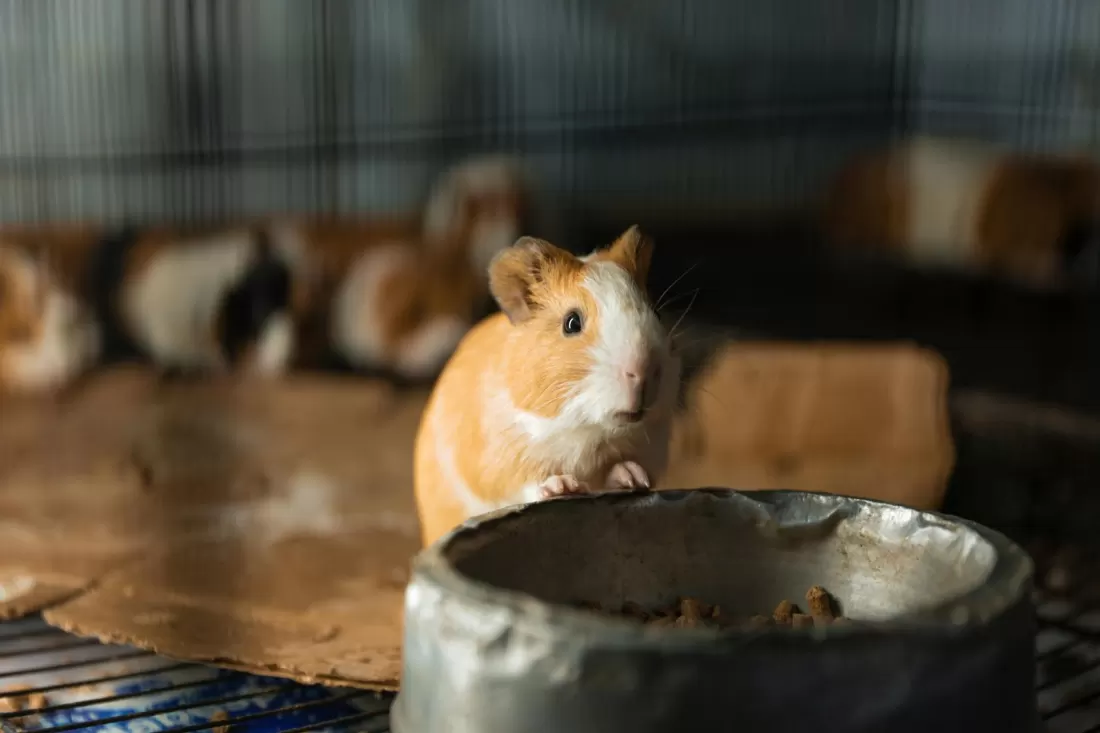
Products to avoid: cages with wire bottoms, tiny starter cages, steep ramps, exposed sharp edges, poor airflow, or doors too small for daily cleaning. A cheap cage that is hard to clean usually becomes expensive in time, smell, and stress.
Bedding and cleaning access matter more than you think
The best cage is the one you can keep clean every day. Look for wide openings, removable liners, and corners you can reach without dismantling the whole setup. Fleece can work well if you wash it properly and use absorbent layers underneath. Paper bedding and kiln-dried, low-dust wood shavings can also work, but avoid dusty sawdust and strong fragrances.
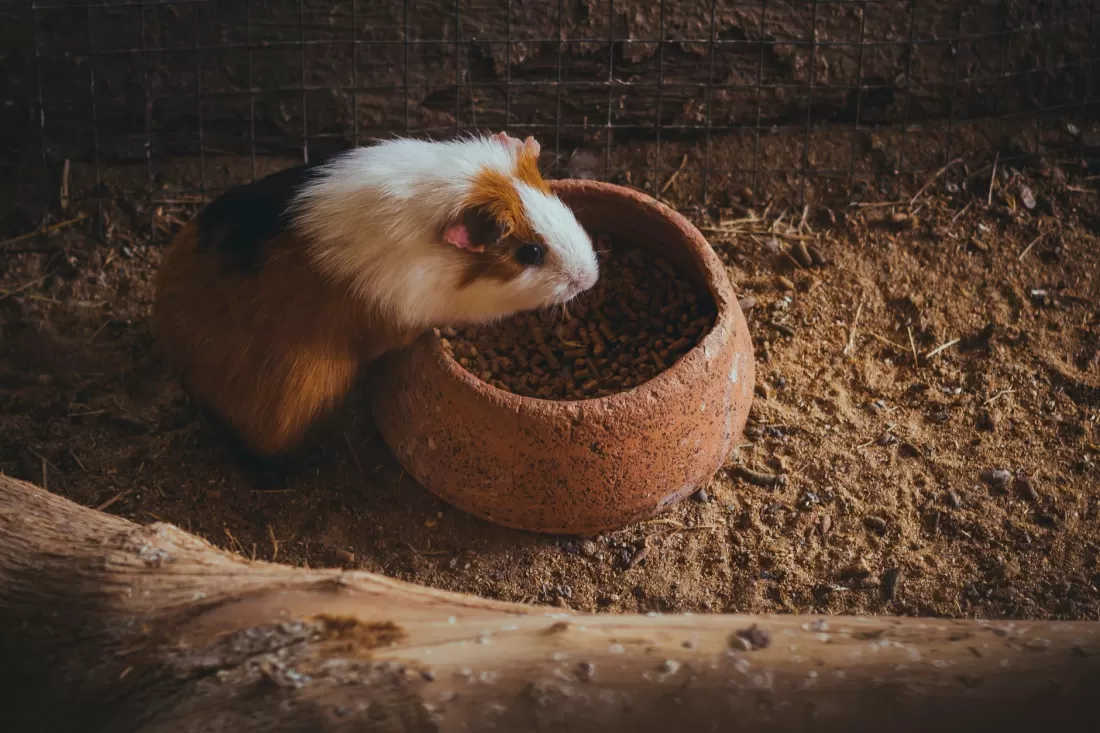
Buying checklist
- Is the floor solid, flat, and comfortable for guinea pig feet?
- Does the cage provide enough horizontal floor space after accessories are added?
- Can you fit at least one hideout per guinea pig?
- Is there room for hay, water, bowls, and a clear running path?
- Can you spot clean corners without taking the cage apart?
- Are panels, doors, and connectors secure with no sharp edges?
- Is the cage easy to expand if you adopt a second guinea pig?
- Does the cage have airflow without exposing the pig to drafts?
Common mistakes
Buying a cage based on the box photo
Product photos often show a cage before accessories are added. Once you add a hideout, hay pile, bowl, water bottle, and bedding, the usable floor area can shrink quickly.
Choosing vertical levels instead of floor space
Lofts and ramps can be enrichment, but they do not replace a wide, open base. Many guinea pigs ignore steep ramps or use them only occasionally.
Forgetting the cleaning routine
If the cage is awkward to clean, it will smell faster and become stressful for both owner and pet. Easy access is part of animal welfare.
FAQ
Are small pet-store cages big enough for guinea pigs?
Many are too small for long-term housing. They may work only as temporary travel or recovery spaces. For daily life, choose a much larger enclosure with open floor space.
Can guinea pigs live in multi-level cages?
They can use gentle ramps, but the main living area should still be a large, single-level floor. Do not rely on vertical height to make a small cage acceptable.
Is fleece better than loose bedding?
Fleece is reusable and tidy when paired with absorbent layers, but it requires regular washing. Loose bedding can be easier for some owners, but it should be low dust and unscented.
How many hideouts should a cage have?
Plan for at least one hideout per guinea pig, plus extra exits where possible. Two pigs should not have to compete for one safe sleeping spot.
SavingCat note: This guide is educational and may include affiliate links in related product sections. We focus on welfare-first buying criteria: space, safety, cleanability, and realistic daily use.
Related guides
If you are building a small-pet setup, compare cage size with bedding, hay storage, hideouts, and cleaning tools before buying. A well-planned habitat is easier to maintain and more comfortable for your pet.
Reader Questions & Tips
Have a question about this guide?
Share practical questions, setup notes, or product-fit tips. Comments are reviewed before publishing so the discussion stays helpful for pet owners.
Log in to join the discussion
Create a free SavingCat account or sign in before leaving a question or tip. This keeps comments cleaner and easier to moderate.